Loading...
Serving Bell, CA and surrounding areas. (323) 894-1195
Your driveway does not have to be torn out to look and drain like new. We lay fresh asphalt over the existing base and correct drainage problems in the process.
Asphalt resurfacing in Bell, CA means laying a fresh layer of hot-mix asphalt directly over your existing surface, replacing the worn top layer while keeping the base underneath intact - most residential driveways are finished in a single day at a fraction of what a full tear-out would cost.
It is the right solution when surface damage is visible but the base underneath is still solid. Cracks, faded color, rough texture, and drainage problems that have developed in the top layer can all be addressed through resurfacing. Bell homeowners deal with an additional challenge: the city sits on expansive clay soils that shift with seasonal moisture changes, which is a leading cause of driveway cracking here even after repairs.
When cracking is widespread and sections have started to sink or flex underfoot, the base has likely failed - and resurfacing over a compromised base is a short-term fix that will not hold. In that case, pothole repair and base work need to happen first. We assess the base during every estimate visit and tell you honestly which situation you are in.
When cracks spread across your driveway in a web or grid pattern, the top layer of asphalt has broken down and water is getting in. In Bell's dry-wet seasonal cycle, those cracks widen every year as moisture works its way into the base. Resurfacing now, while the base is still solid, is far less expensive than waiting until the whole structure fails.
If puddles sit on your driveway for hours after a storm, the surface has lost its proper slope or developed low spots. Standing water accelerates deterioration and can work its way under the asphalt. A resurfacing job corrects the grade and gives water a clear path off the surface rather than into it.
Fresh asphalt is deep black. Over years of Southern California sun, UV exposure bleaches the surface to a dull gray and dries out the binder holding the mix together. When your driveway looks more gray than black and feels rough underfoot, the surface layer has aged past the point where sealing alone will help.
The edges of a driveway take the most stress - cars roll over them and they have less support than the center. When chunks are breaking away at the sides or corners, the surface layer is failing at its most vulnerable points. Catching this before it spreads to the middle is the right time to resurface.
We resurface residential driveways and commercial paved areas throughout Bell, handling every part of the job from base assessment and surface prep through final compaction and edge work. Before new asphalt goes down, the crew cleans the existing surface and makes any needed repairs to cracks or soft spots. If the old surface is too uneven or too high for a straight overlay, we grind it down first. That prep work is what separates a resurfacing job that lasts from one that cracks within a year.
For properties where the top layer damage is more advanced - sections that have broken apart or areas where the surface has sunk - we pair resurfacing with pothole repair to address the base before laying fresh asphalt. For lots or larger paved areas that need a full new surface rather than a residential-scale driveway job, asphalt milling may be the right first step before repaving. We work through the options with you honestly so the solution fits the actual problem.
For homeowners whose driveway surface has cracked, faded, or developed drainage problems but still has a solid base underneath.
For driveways with low spots that pool water - the new layer is built up to restore proper slope toward the street or drainage point.
For surfaces where the existing asphalt is too uneven or too high for a straight overlay - the old layer is milled down before fresh asphalt is applied.
For driveways with localized potholes or base damage alongside broader surface wear - structural repairs are done first, then the full surface is resurfaced over the top.
Bell sits in the southeastern Los Angeles basin, where summer temperatures regularly climb into the 90s and dark asphalt absorbs even more heat than the air around it. Extreme heat is the dominant condition that shapes paving work here - not freeze-thaw cycles. Fresh asphalt laid in peak summer heat needs extra care during compaction, and finished surfaces can stay soft longer on very hot days. Experienced contractors in this area time their pours carefully and use asphalt mixes formulated for high-temperature conditions, not generic blends that would work fine in a cooler climate.
Bell also sits on alluvial soils that expand when wet and contract when dry, creating the ground movement that drives much of the cracking homeowners see. Properly addressing drainage as part of a resurfacing job is not optional here - water that pools under or around your driveway will cause the same problems to return. Homeowners and property managers in nearby Lynwood and South Gate deal with the same soil and drainage conditions, and we approach every job in this area with those realities in mind.
Reach us by phone or through the contact form and describe your driveway - its size, current condition, and any specific problem areas you have noticed. We respond within one business day and schedule a free on-site estimate at no obligation.
A licensed contractor visits to check whether the base is solid enough for resurfacing or whether repairs are needed first. They also assess drainage and whether any permit is required - in Bell, work that changes the grade or touches the public sidewalk apron may need city approval. You receive a written quote, not a verbal number.
The crew cleans the existing surface and handles any needed crack repairs or soft spot fixes before new asphalt goes down. If the old surface requires grinding to reach the right height, that happens at this stage. Skipping prep to save time is the most common reason resurfacing fails prematurely.
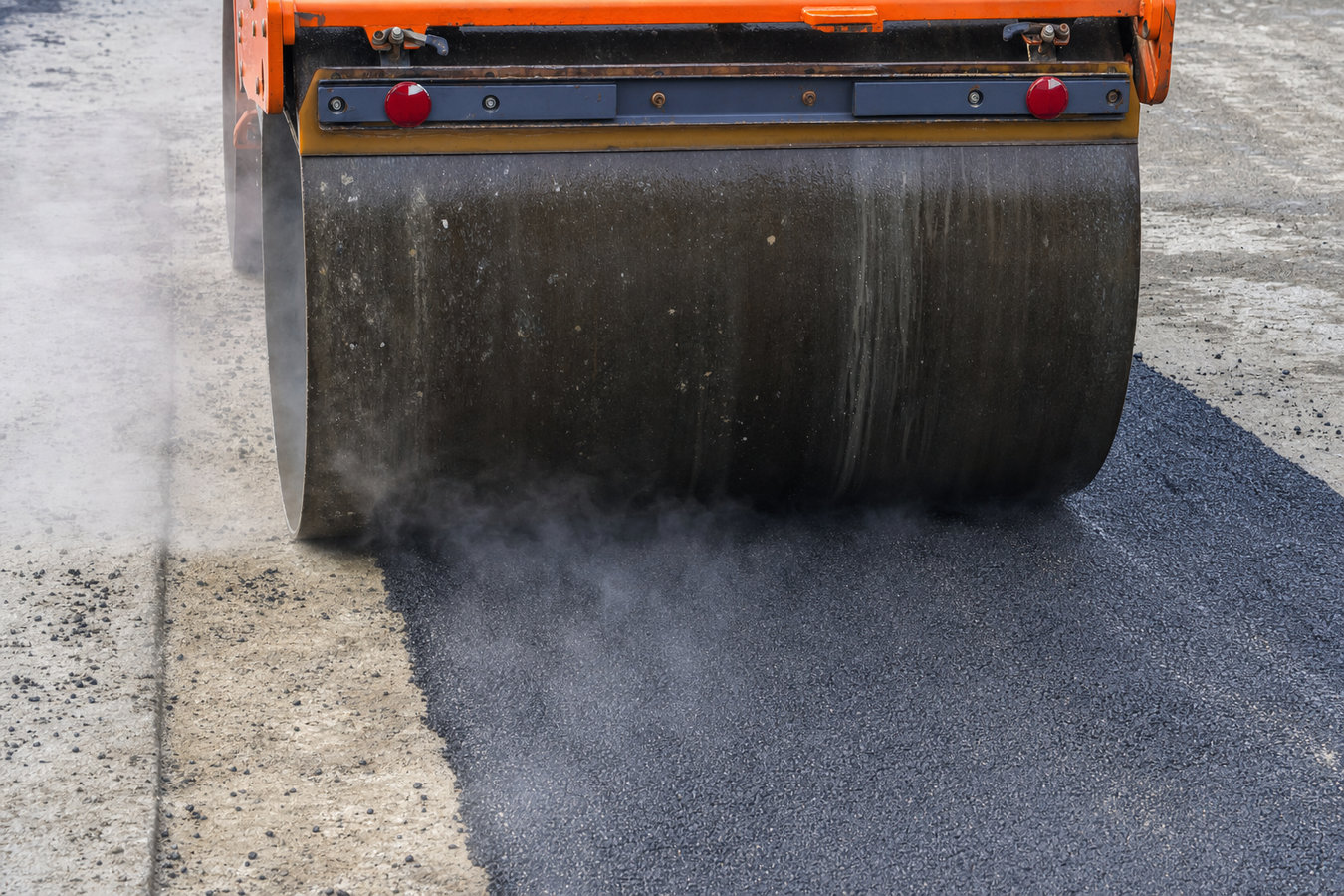
Hot asphalt is laid by machine, spread to consistent thickness, compacted with a roller, and edge-finished by hand. Most residential driveways are done in a single day. The contractor will give you a specific window for when it is safe to walk and then drive on the surface - plan on at least 24 to 48 hours before driving.
We check the base, explain your options, and give you a written quote - no guessing, no pressure.
(323) 894-1195We assess the base condition on every job before recommending resurfacing. Laying new asphalt over a failing base is a waste of your money - and we will tell you that honestly, even if it means recommending a more involved repair.
We use asphalt mixes formulated for high-temperature Southern California conditions, per guidelines from the National Asphalt Pavement Association. A generic mix softens and ruts in Bell's summer heat - the right mix holds firm.
We address the slope and drainage pattern during every resurfacing job rather than just overlaying the existing surface. In Bell's dense residential neighborhoods, a driveway that sheds water correctly after a winter rain lasts years longer than one where drainage was an afterthought.
California requires paving contractors to hold a valid state license - you can look up any contractor's status through the California Contractors State License Board. Hiring unlicensed work leaves you without recourse if something goes wrong.
Getting the base assessment and drainage right before any asphalt goes down is what separates a resurfacing job that lasts a decade from one that starts cracking in a couple of years. That is the standard we hold every Bell job to.
When the base underneath a driveway has failed, pothole repair addresses the structural problem before a new surface can be applied.
Learn MoreFor larger paved surfaces that need the existing asphalt ground down to a consistent depth before a fresh overlay is applied.
Learn MoreSchedule your free estimate now - the sooner we check the base, the sooner you know exactly what your driveway needs.